
WHAT IS AN ABDOMINOPLASTY WITH SYDNEY PLASTIC SURGEON DR ALEX PHOON ?
An abdominoplasty, sometimes called a tummy tuck, is a surgical procedure that removes excess skin from the abdominal area and may also involve tightening the underlying abdominal muscles.
It is important to understand that abdominoplasty is not a substitute for weight loss through diet or exercise. The procedure may be considered for people who are at a stable weight but have excess skin or weakened abdominal muscles that have not improved with non-surgical measures.
There are different techniques and types of abdominoplasty, and the most appropriate approach depends on an individual’s anatomy and surgical goals. These options can be discussed during a consultation with a qualified surgeon.
A consultation with Dr Alex Phoon will help you to determine which procedure is most suitable for you.
A consultation with Dr Alex Phoon will allow for an assessment of your individual circumstances and a discussion about which surgical options may be appropriate.
Important Information: The details provided here are general in nature and do not replace personalised medical advice. Surgical outcomes vary between individuals and depend on factors such as genetics, age, weight, skin quality, and overall health. The examples or results shown relate to individual patients and should not be taken as indicative of the outcomes that every patient will experience.
All surgical and invasive procedures carry risks. These should be carefully considered and discussed with your surgeon. Seeking a second opinion from another appropriately qualified health practitioner is recommended before proceeding. For further details on risks and potential complications, please visit the dedicated section on our website.
AHPRA Registration: MED0001587102
AHPRA Registration MED0001587102

WHAT IS A MINI ABDOMINOPLASTY?
A mini abdominoplasty is a surgical procedure that focuses on the lower abdomen, specifically the area below the belly button. It may be considered for people who have a small amount of excess skin or fat in this region and who do not require full abdominal muscle repair (diastasis recti repair).
The decision between a full abdominoplasty and a mini abdominoplasty depends on an individual’s anatomy, goals, and medical considerations. These options can be discussed in detail during a consultation with a qualified surgeon.
GALLERY











WHY CONSIDER AN TUMMY TUCK IN SYDNEY?


EXCESS SKIN REMOVAL
Reaching a stable and healthy weight before surgery is important for both safety and recovery. Visceral fat (the fat surrounding the internal organs) cannot be removed with surgery and can only be reduced through weight loss. Achieving an appropriate weight before surgery may help lower risks and support better healing.
Changes such as weight fluctuations or pregnancy can affect the elasticity of the abdominal skin. In some cases, stretched skin does not fully return to its previous appearance with exercise or non-surgical measures.


REMOVE SCARS
In some cases, abdominoplasty can involve removing or repositioning existing scars on the lower abdomen, such as those from a caesarean section, hysterectomy, appendectomy, or hernia repair. While the procedure may reduce the visibility of some older scars, it also creates new scars from the surgical incisions. The appearance of scars varies between individuals and should be discussed with the surgeon during consultation.


DECREASE BACK PAIN AND IMPROVE POSTURE
Some people report improvement in back discomfort after abdominoplasty. Weakening of the abdominal muscles can occur following pregnancy or significant weight changes, and in some cases, this may contribute to back strain. During an abdominoplasty, fat and excess skin may be removed and the underlying muscles tightened, which can improve abdominal support. While some patients notice reduced back symptoms or better posture afterwards, outcomes vary and cannot be guaranteed.


Excess skin or fat around the abdomen, as well as scarring from previous surgeries, can sometimes affect how people feel about the appearance of their midsection.


FREQUENTLY ASKED QUESTIONS ABOUT OUR ABDOMINOPLASTY PROCEDURE
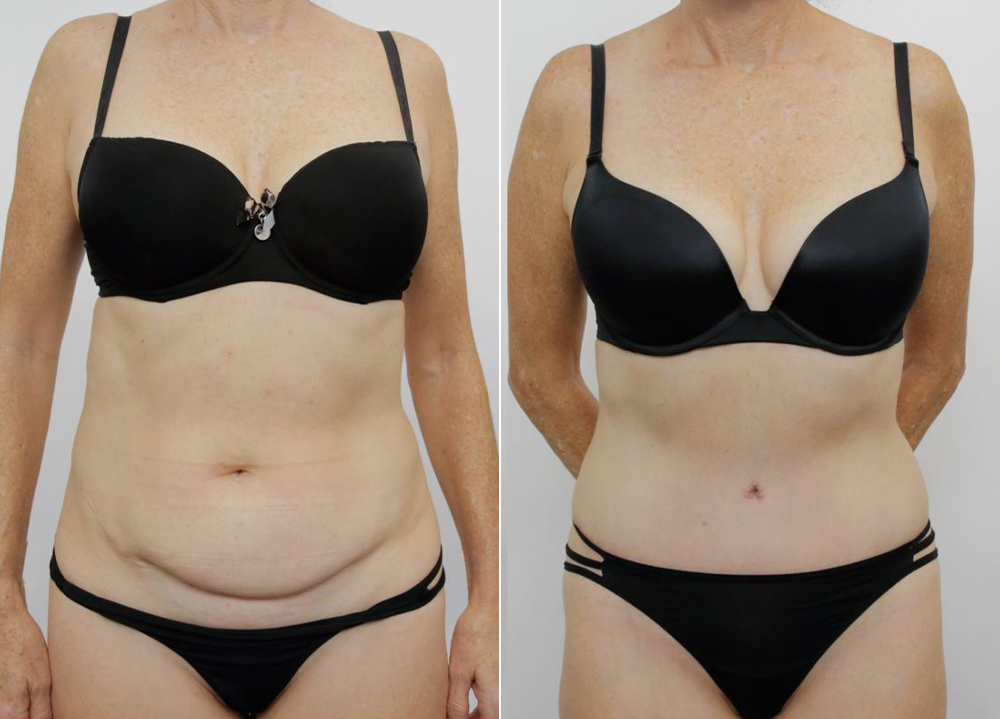
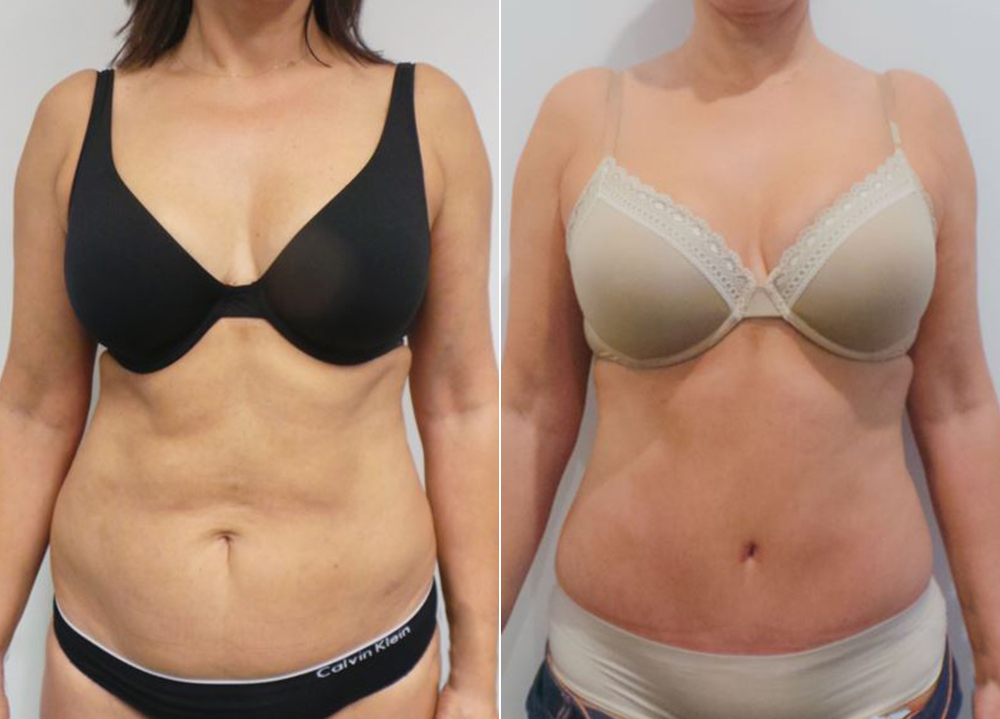
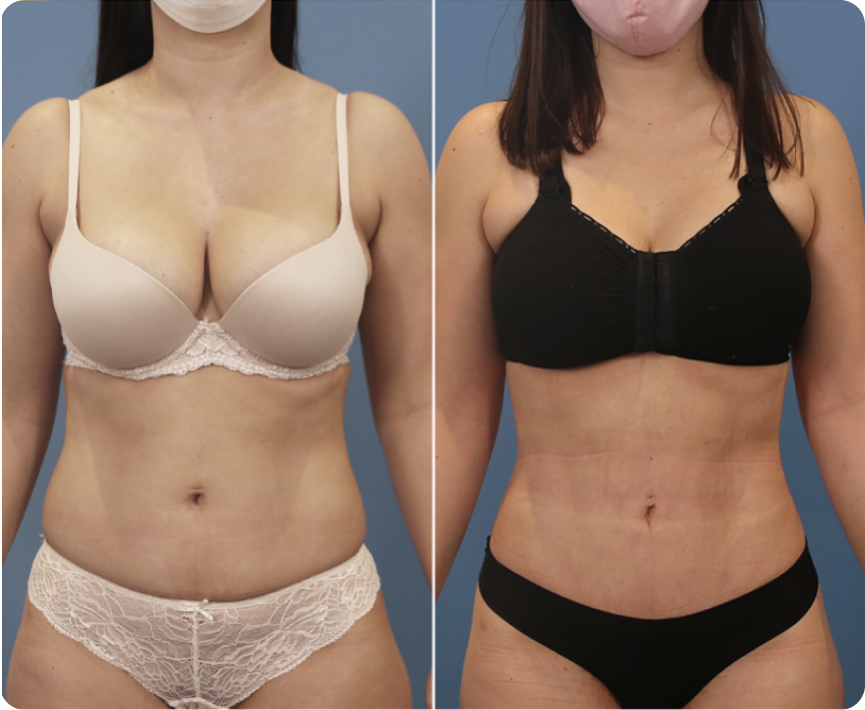
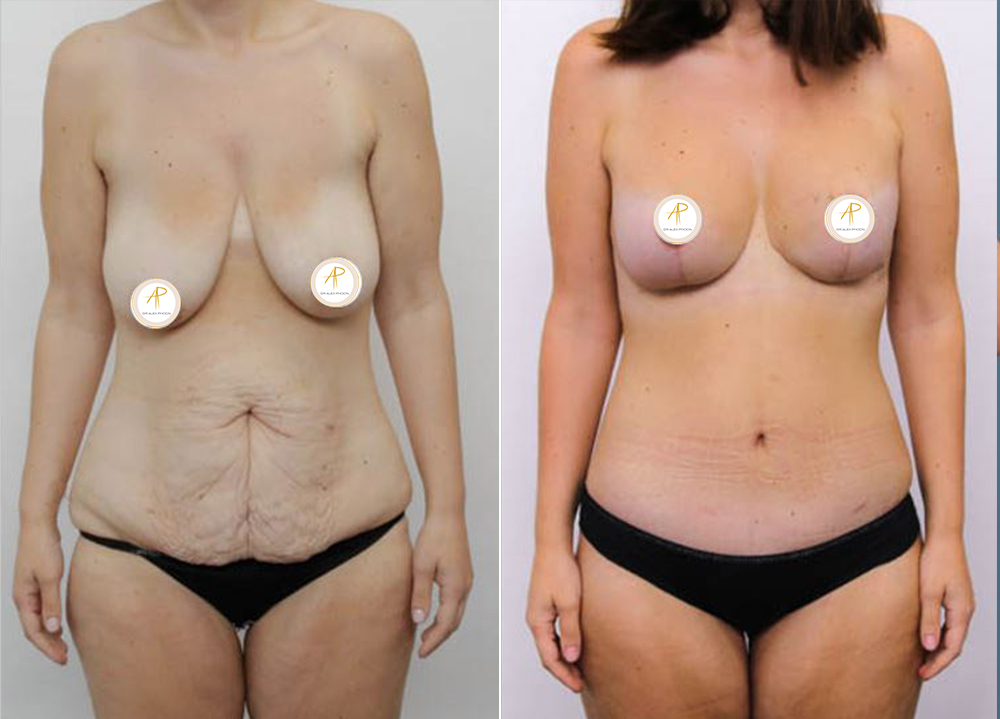
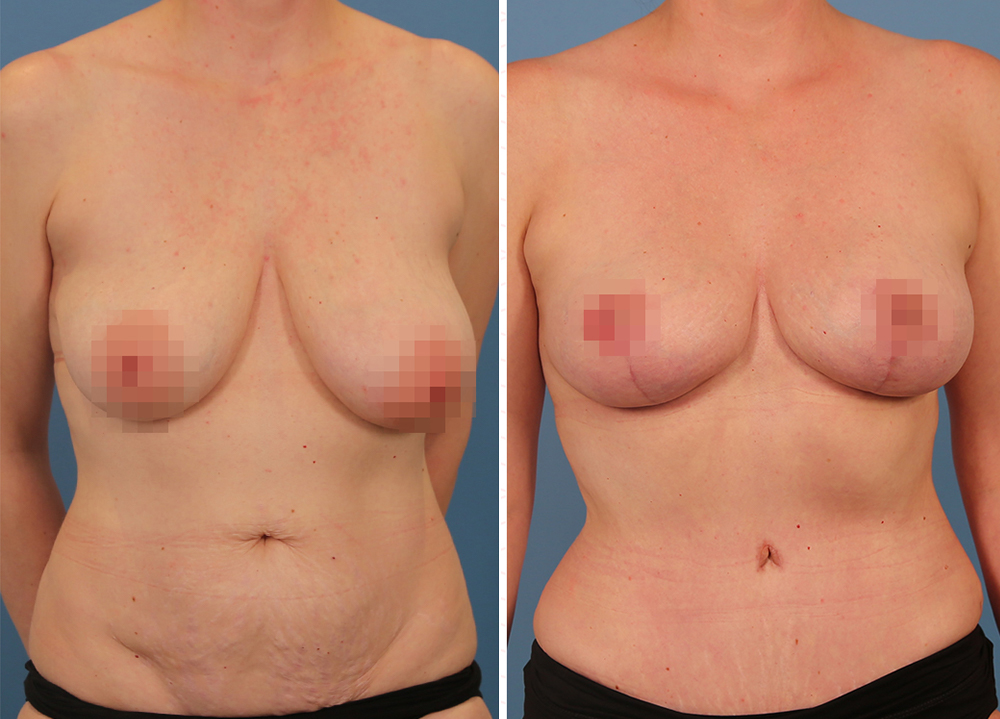
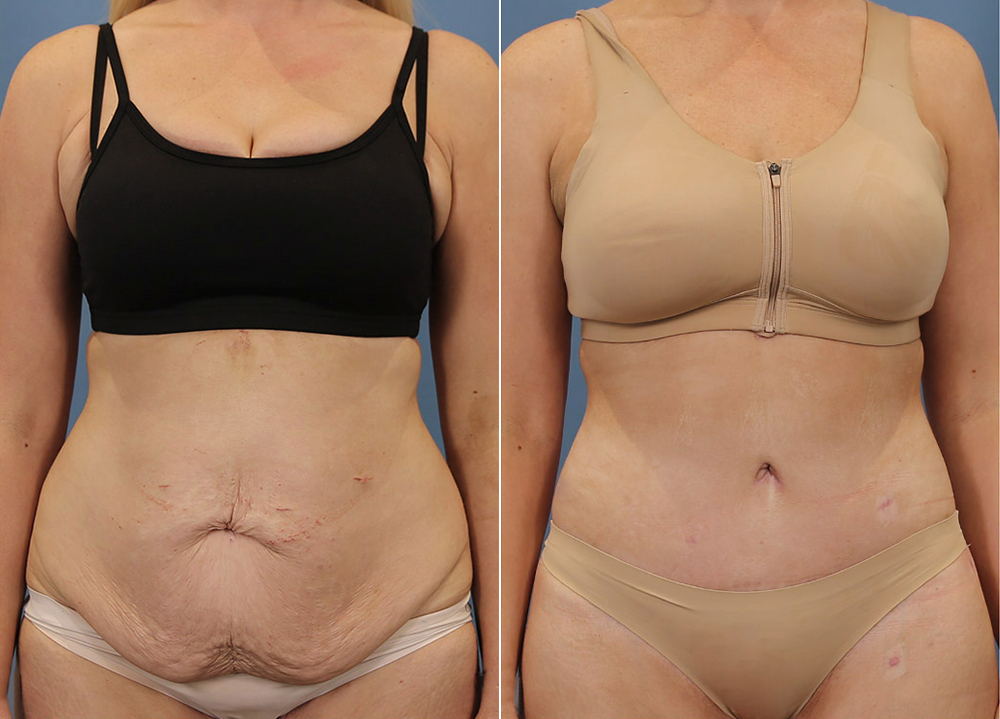
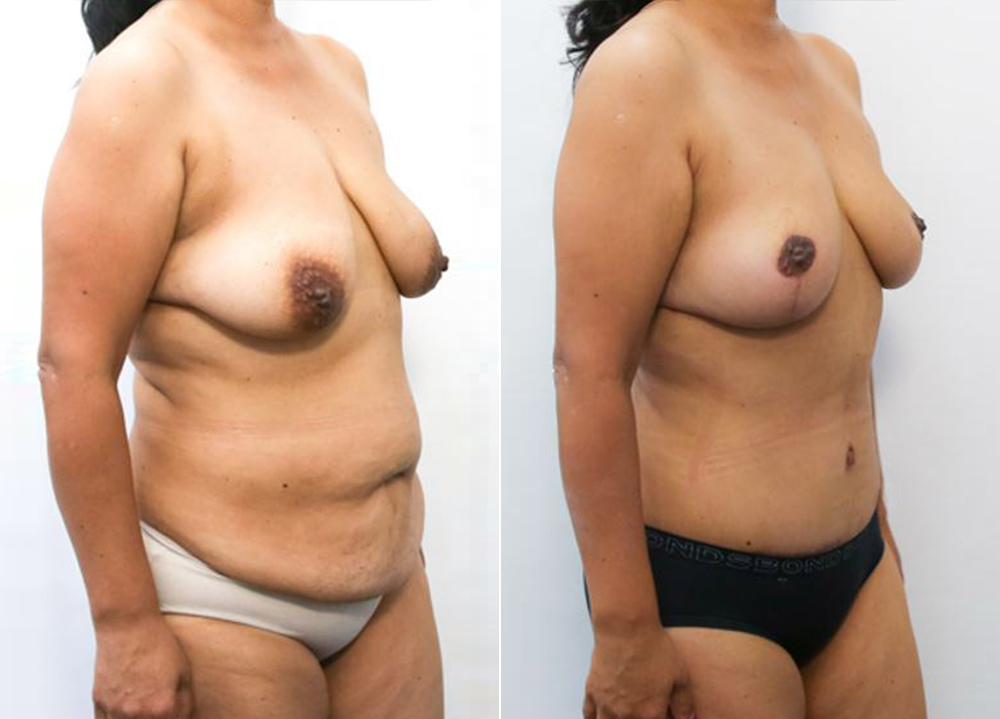
If pre- and post-operative images are shown on this site, they are provided for general information only and do not predict your outcome. Images are displayed using comparable lighting, positioning, background, and clothing where possible. Any gallery contains a prominent notice stating that results vary due to factors including individual anatomy and healing. Images are not digitally altered other than standard anonymisation and sizing for web display.
Dr Alex Phoon Specialist Plastic Surgeon
AHPRA registration number: MED0001587102
Registration type: Specialist registration
Recognised specialty: Plastic & Reconstructive Surgery
Patients may verify registration via the AHPRA public register.
All surgical procedures carry risks. Specific to mastopexy, these may include but are not limited to:
Anaesthetic risks, infection, bleeding, delayed healing, seroma, and scarring (including hypertrophic or keloid scars).
Changes in sensation of the nipple or skin-temporary or permanent.
Asymmetry, contour irregularities, or wound dehiscence.
Scarring that may not fade completely; healing varies by individual.
Rare but serious risks such as blood clots (DVT/PE) or death.
A comprehensive written risk summary will be provided during consultation.
It is essential that all risks & complications of surgery are understood before proceeding. For more information on risks & complications please visit our web page on Risks & Complications of Cosmetic Surgery – Dr Alex Phoon
In some cases, a breast procedure and a abdominal procedure can be done together. Whether this is appropriate depends on your anatomy, goals, and overall health, as well as the surgeon’s assessment.
For some patients, staging the procedures separately may provide safer or more predictable outcomes. Your surgeon will discuss the potential risks, benefits, and suitability of a single operation versus staged procedures during your consultation.
Recovery time varies between individuals. Most patients need a short period of rest at home in the days immediately following surgery. It is common to experience swelling, bruising, and discomfort, which usually improve over time. Many people return to light daily activities within one to two weeks, but activities involving lifting, exercise, or physical strain generally require a longer recovery period.
Your surgeon will provide personalised guidance on when it is safe to return to work, exercise, and other activities, based on your progress.
Private health insurance is not required to have cosmetic surgery, as procedures can be self-funded. In some circumstances where a Medicare item number applies (for example, reconstructive or medically indicated procedures), having private health insurance may help reduce certain hospital or anaesthetic costs.
Eligibility for rebates or cover depends on strict criteria and your individual circumstances. These details can be discussed during your consultation, and you should confirm directly with your health fund what is included in your policy.
Having this surgery completely uninsured is possible too but the hospital costs can add up quickly, so we don’t advise it. Call our patient coordinator’s and they can help you through the process.
Who might consider an abdominoplasty?
An abdominoplasty (tummy tuck) may be considered by people who have excess abdominal skin, stretched abdominal muscles, or concerns about the contour of their abdomen that cannot be addressed through diet and exercise alone. This is often the case after significant weight changes or pregnancy. Whether an abdominoplasty is suitable depends on your individual anatomy, goals, overall health, and a surgeon’s assessment.
Are all abdominoplasties the same?
No. There are different types of abdominoplasty procedures, ranging from a “mini” abdominoplasty (which removes a smaller amount of skin and addresses the lower abdomen) to a full abdominoplasty (which involves removing more skin, tightening abdominal muscles, and repositioning the navel). The most appropriate procedure varies from person to person and will be discussed with you during your consultation.
Surgical procedures such as abdominoplasty or body contouring are not designed specifically to treat stretch marks. In some cases, if the stretch-marked skin is removed during surgery, those particular stretch marks may be reduced or removed. Stretch marks outside the area of skin removal will generally remain.
The extent of any improvement varies between individuals and cannot be guaranteed. Your surgeon can discuss what to expect during your consultation.
Some patients may be suitable for combining procedures during the same surgery, depending on their goals, overall health, and the surgeon’s assessment. Commonly combined procedures can include liposuction, breast surgery, or other body contouring procedures.
Whether procedures can safely be performed together depends on factors such as the expected duration of surgery, recovery considerations, and individual health. Your surgeon will discuss the potential risks, benefits, and suitability of combining procedures during your consultation.
Risks and complications of cosmetic surgery
Cosmetic surgery is a form of surgery and, like all surgical procedures, carries risks and potential complications. It is important that anyone considering cosmetic surgery is provided with accurate and complete information about these risks before deciding whether to proceed.
Dr Alex Phoon is an Australian specialist plastic surgeon (specialist registration in Surgery – Plastic Surgery, AHPRA registration number: MED0001587102). He performs cosmetic and reconstructive procedures in accredited hospital facilities with appropriately qualified surgical, anaesthetic, and nursing teams.
This page outlines general categories of risks and complications that may be associated with cosmetic surgery. A full discussion of risks specific to an individual procedure will be provided in writing and during consultation as part of the informed consent process.
Scarring
Scarring is a common concern for people considering cosmetic surgery. All surgery results in some form of scarring, and while techniques are used to help reduce its appearance, it cannot be completely avoided. The extent and visibility of scars vary between individuals and depend on factors such as the type of surgery, healing response, and skin characteristics.
Read moreThe severity and appearance of scars can vary from person to person and depend on the type of procedure performed. Factors such as genetics, skin type, and individual healing responses can influence how noticeable scars may be. In many cases, scars may become less prominent over time, but this process is highly individual.
Scarring is a normal part of the body’s healing process. When the skin is cut or injured, the body forms new collagen fibres to repair the area. This healing response creates a scar, which may differ in colour and texture from the surrounding skin.
Different types of scars may occur after cosmetic surgery. For example, hypertrophic scars are raised, thickened areas that may be red or itchy. Keloid scars, which grow beyond the boundaries of the original wound, can occur in some people and may be more common in those with darker skin tones.
While surgical techniques aim to minimise tension on the skin and place incisions in less visible areas, scarring cannot be completely avoided. Patients are often advised to follow post-operative instructions carefully, which may include wound care, the use of silicone gels or dressings, and sun protection.
In some situations, scar management or revision procedures may be discussed. These may include treatments such as laser therapy, dermabrasion, or surgical excision. The choice of treatment depends on the type of scar and individual circumstances, and outcomes can vary.
It is important to have realistic expectations about scarring before undergoing surgery. Scars cannot be eliminated, but there are options to help improve their appearance. Patients are encouraged to raise any questions or concerns with their surgeon, so they can make an informed decision about the procedure and understand the potential risks and management strategies.
Infection
Infection is a potential risk of any surgical procedure, including cosmetic surgery. Although strict sterilisation and infection-control protocols are followed, it is not possible to remove this risk entirely. The likelihood and severity of infection can vary depending on individual factors and the type of procedure performed.
Read moreTo help reduce the risk of infection, surgeons may use antibiotics, follow strict aseptic techniques, and monitor patients for any signs of infection. Patients also play an important role in their recovery by carefully following post-operative care instructions, which can assist in lowering the risk of complications.
Infection is a recognised risk of all surgical procedures, including cosmetic surgery. Any time the skin is cut, there is an entry point for bacteria and other microorganisms. Although healthcare professionals follow strict sterilisation protocols to reduce this risk, it cannot be completely eliminated.
To help lower the likelihood of infection, surgeons may use antibiotics, follow strict aseptic techniques during surgery, and monitor patients carefully afterwards. Antibiotics may be prescribed before and/or after the operation, depending on the procedure and the patient’s individual medical circumstances.
During surgery, precautions such as using sterile instruments, maintaining a controlled environment, and wearing protective clothing are followed to help reduce the introduction of bacteria into the surgical site. Even with these measures, infections can still occur, which is why ongoing monitoring and early management are important.
Patients also play an important role in their recovery. Following post-operative instructions-such as keeping the surgical site clean and dry, avoiding activities that could interfere with healing, and promptly reporting any signs of infection (for example redness, swelling, pain, or discharge)-can assist in reducing the chance of complications.
While the risk of infection cannot be removed entirely, these combined strategies-both by the surgical team and the patient-are designed to support safer recovery and allow for timely management if infection develops.
Pain
Pain and discomfort are common after cosmetic surgery. These symptoms can vary between individuals and procedures, but strategies such as prescribed pain relief and supportive care are often used to help manage them.
Read moreThe level of pain experienced after cosmetic surgery can vary depending on the type of procedure, an individual’s pain threshold, and their healing response. Pain relief medications are often prescribed to help manage discomfort during recovery. Patients are encouraged to communicate openly with their healthcare team about their pain, as effective management is an important part of the recovery process.
Undesirable cosmetic outcome
Although cosmetic surgery is performed with the intention of improving appearance, there is a risk that the final result may not meet a patient’s expectations or may differ from the anticipated outcome.
Read moreOutcomes can be influenced by many factors, including individual healing responses and the expectations a patient brings to surgery. It is important for patients to have open and thorough discussions with their surgeon about what results are realistically achievable and any potential limitations. In some cases, further procedures may be considered if the initial outcome does not meet expectations.
Nerve damage
Nerve injury is a possible complication of cosmetic surgery.
Read moreSurgeons take care to minimise the risk of nerve injury during procedures, but this risk cannot be removed entirely. Nerve damage may result in altered sensation such as numbness, tingling, or reduced sensitivity in the area of surgery. In some cases, these changes improve over time, although recovery can vary and some effects may be long-lasting. Patients are encouraged to discuss this risk with their surgeon before making a decision about surgery.
Bruising and swelling
Bruising and swelling are expected effects after cosmetic surgery, especially during the initial stages of recovery.
Read moreBruising and swelling are part of the body’s normal healing response after surgery. Measures such as compression garments, elevation, and cold compresses may be recommended to help manage these effects. Although usually temporary, bruising and swelling can cause discomfort and may influence the recovery process. Following post-operative care instructions can assist in supporting recovery, but the duration and severity of these symptoms vary between individuals.
Bleeding
Bleeding during or after surgery is a possible complication of any surgical procedure, including cosmetic surgery.
Read moreSurgeons use techniques during surgery to help control bleeding, but some post-operative bleeding can still occur. Patients should contact their healthcare provider if bleeding seems excessive or does not improve with gentle pressure. In rare cases, more significant bleeding may require further treatment in hospital, which can include additional procedures or, occasionally, a blood transfusion.
Seroma
A seroma is a collection of fluid that may develop under the skin following surgery.
Read moreSeromas form as part of the body’s inflammatory response and are more common after larger surgical procedures. They may cause swelling or discomfort. To manage this, surgeons may use drains during surgery or remove fluid afterwards through a procedure called aspiration. While these measures can help reduce the likelihood of fluid build-up, seromas can still occur. Regular follow-up and monitoring allow for timely detection and management if they develop.
Anaesthetic complications
Complications related to anaesthesia are uncommon but can occur with any surgical procedure, including cosmetic surgery.
Read moreAnaesthesia is used during surgery to manage pain and keep patients comfortable. The risks associated with anaesthesia can vary depending on individual factors such as medical history, allergies, and overall health. Anaesthetists are specialist doctors who monitor patients throughout the procedure and use established techniques to help reduce these risks, although complications can still occur.
Death
Although rare, death is a possible risk with any surgical procedure, including cosmetic surgery. It is important for patients to be aware that all surgery carries inherent risks.
Read morePatient safety is a key focus in cosmetic surgery. Preoperative assessment, careful surgical planning, and adherence to established protocols are important in helping to reduce risks. Patients are encouraged to discuss their individual concerns and circumstances with their surgical team.
In conclusion, while cosmetic surgery may change a person’s appearance, it also carries risks and potential complications. Understanding these risks and discussing them openly with a surgeon supports informed decision-making and realistic expectations. Following post-operative care instructions and maintaining clear communication with the healthcare team can also play an important role in recovery.

