

WHAT IS A BREAST AUGMENTATION?
Breast augmentation is a surgical procedure that involves placing implants beneath the breasts to increase their size or alter their shape. The type and size of implant is determined during consultation and depends on factors such as breast anatomy, skin characteristics, body proportions, and the individual’s preferences.
The procedure is performed under a general anaesthetic in an accredited facility and usually takes about one hour of surgical time. In most cases, it is performed as day surgery.
Recovery times vary between individuals. Some people may return to office-based work within one to two weeks, while those with more physically active roles may require longer before resuming normal activities. Changes in breast appearance can continue to occur for several months following surgery. It is important to note that outcomes differ between individuals, and no specific result or timeframe can be guaranteed.
All surgical procedures carry risks, and these will be discussed in detail during your consultation.

Why have your breast augmentation in Sydney with Dr Alex Phoon
Dr Alex Phoon is a specialist plastic surgeon based in Sydney with experience in cosmetic and reconstructive procedures. He provides consultations to discuss treatment options, outline the surgical process, and answer patient questions.
During a consultation, patients are able to discuss their individual goals, and Dr Phoon provides information about the range of available procedures, including potential risks, limitations, and recovery requirements. All surgery is performed in accredited facilities with qualified anaesthetists and clinical staff.
Information about procedures, risks, and recovery is available on this website and during the consultation process. Further resources about cosmetic surgery can also be found through government and professional health websites.
Please note: In line with NSW regulations, this website does not contain patient testimonials or reviews. However, patient feedback and reviews can easily be accessed through our Google Business Page as well as through trusted online resources such as Realself and Cosmetic Journey.
GALLERY

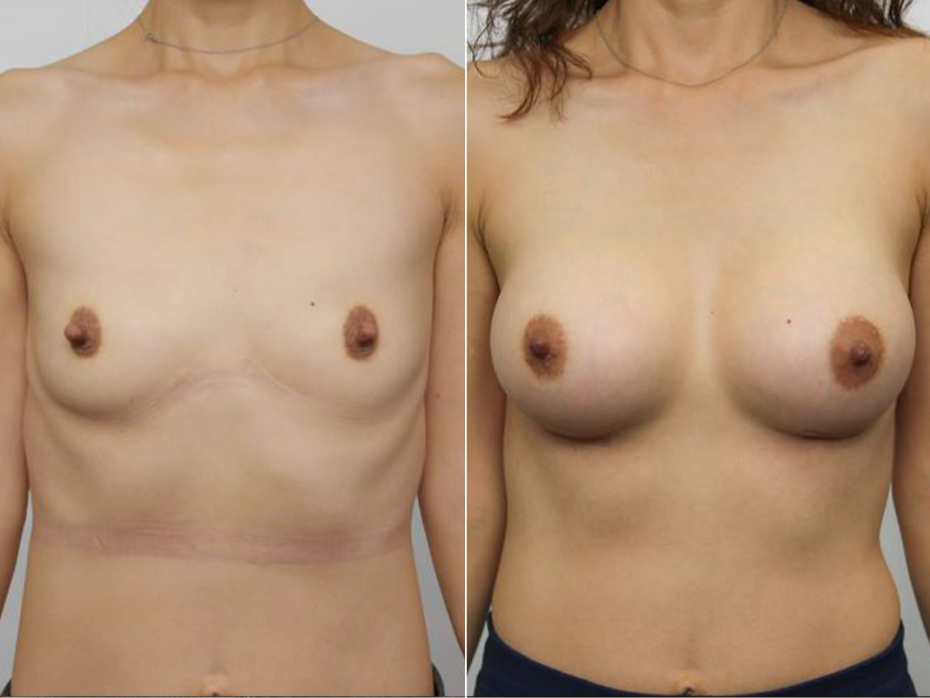

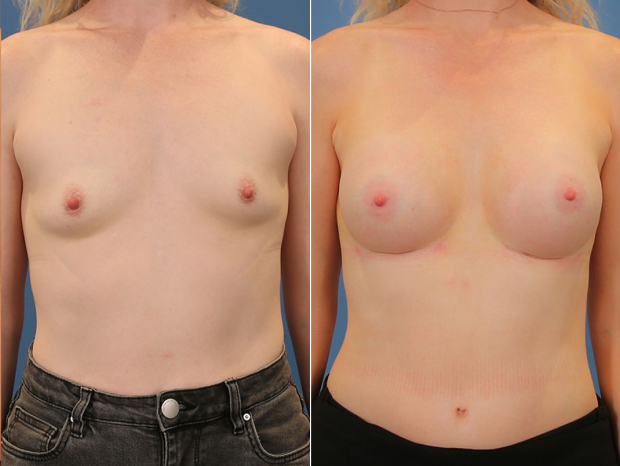


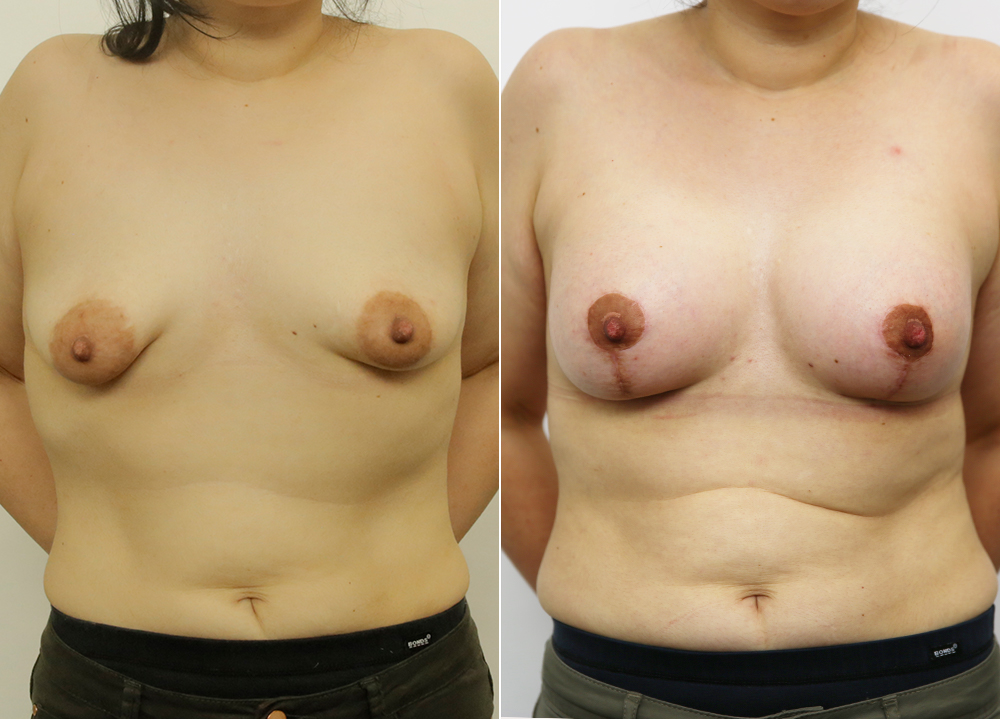
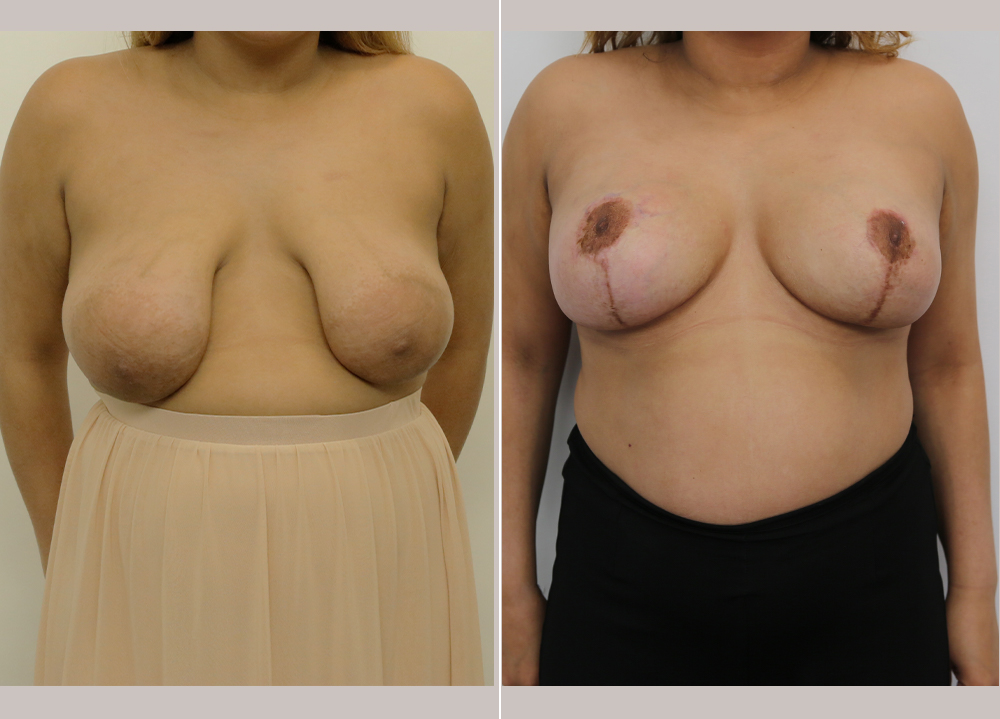
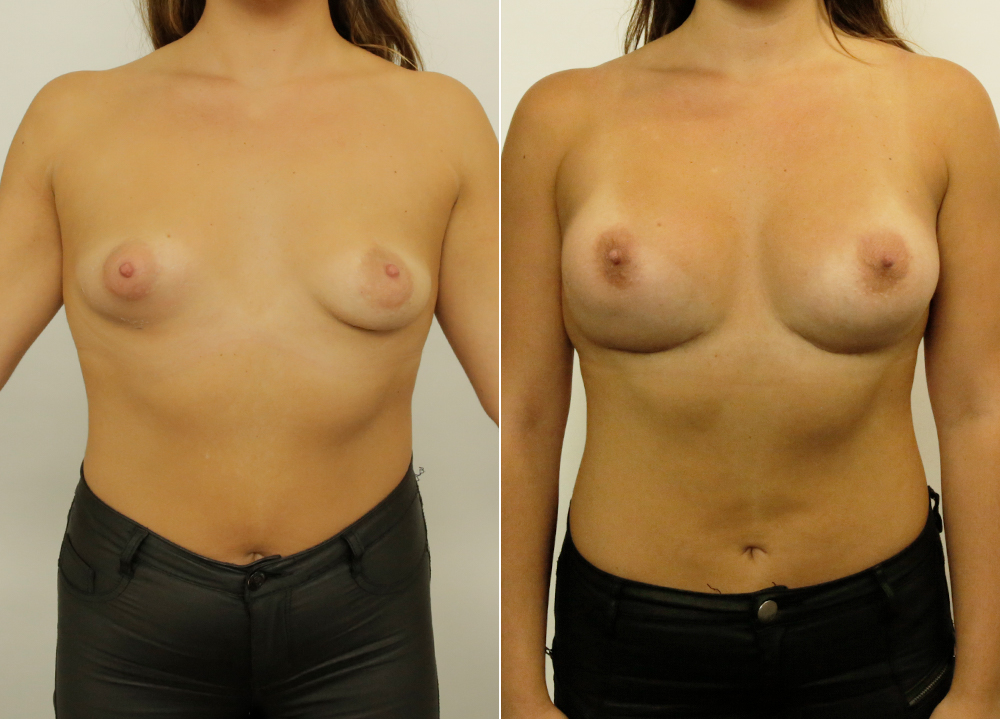
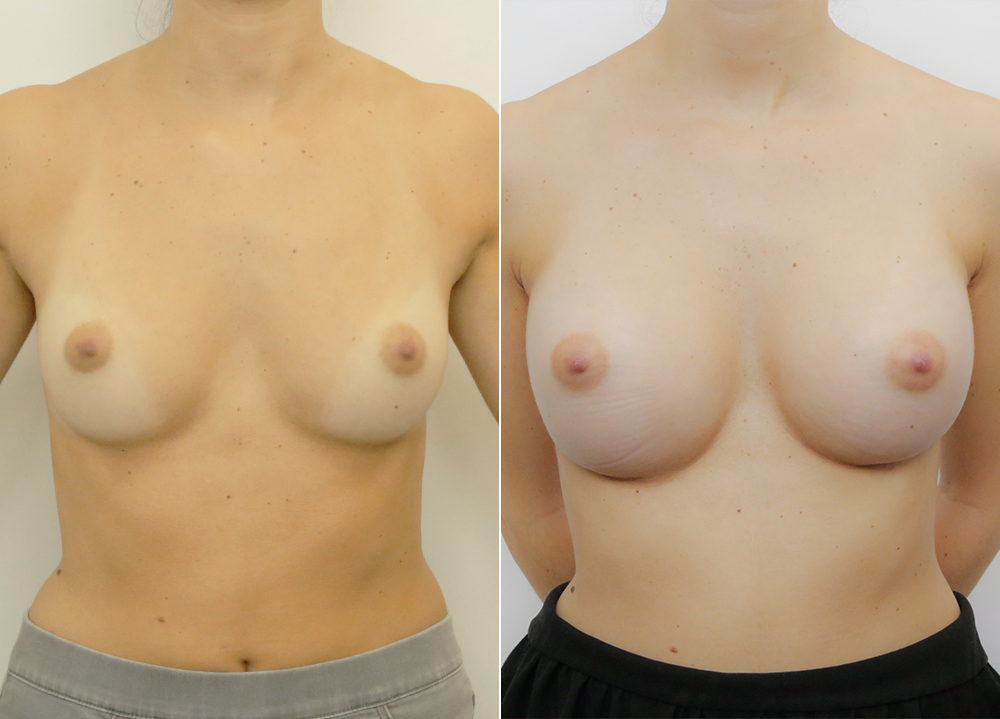
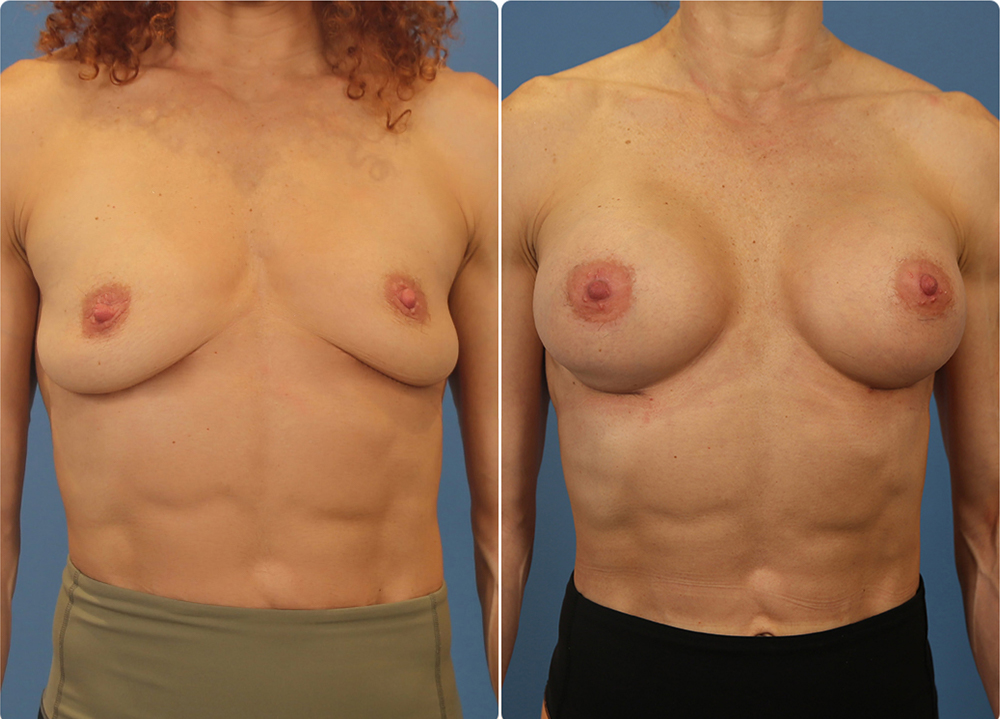
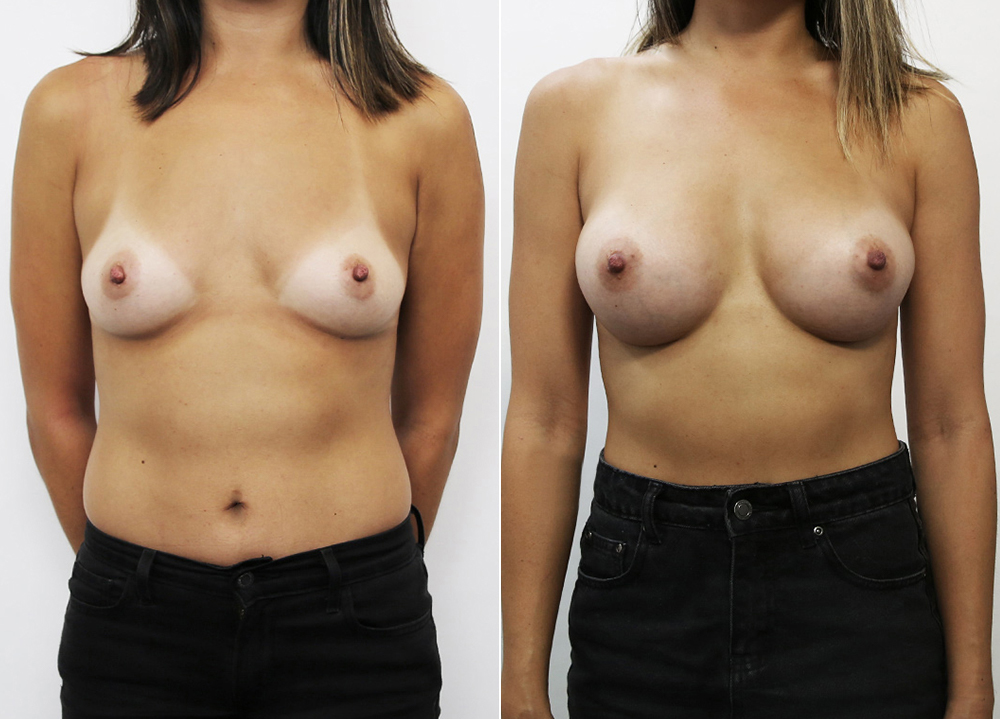
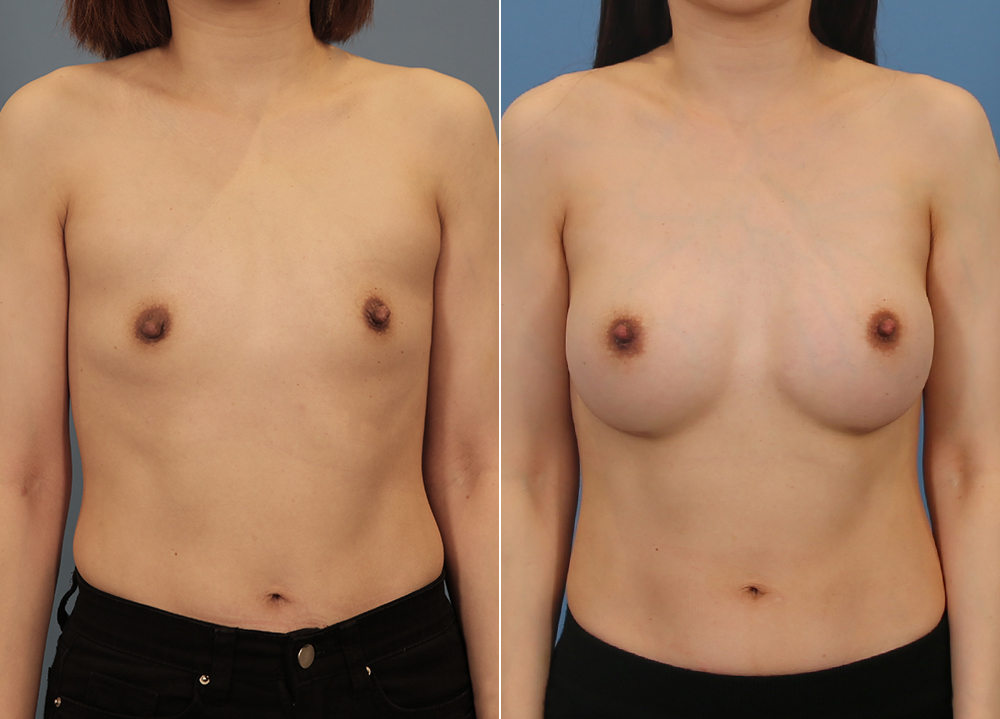


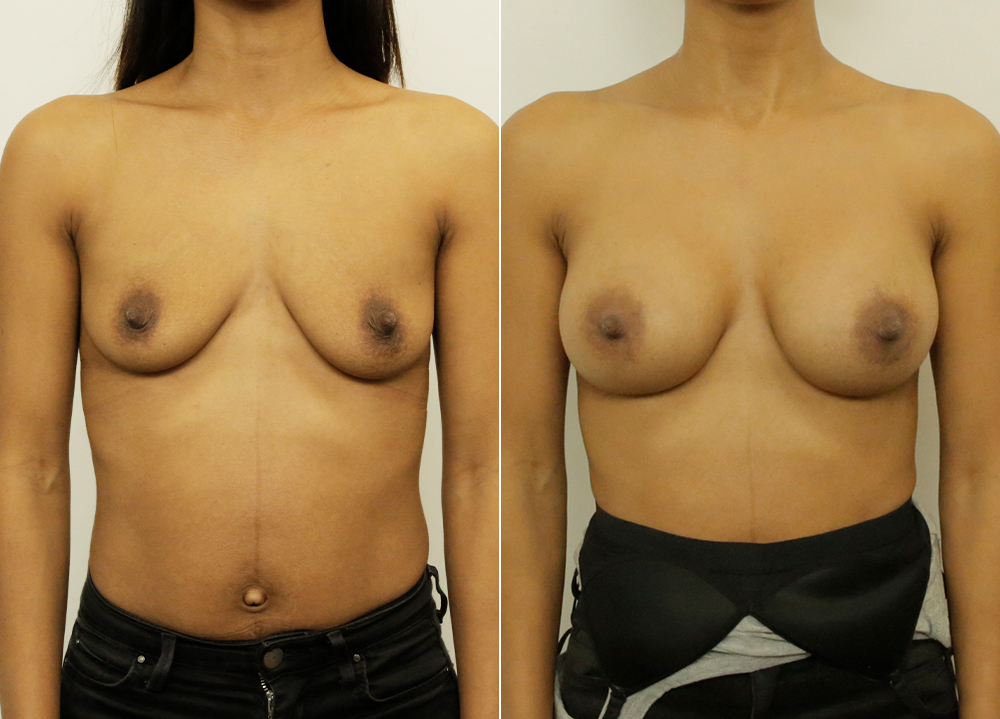


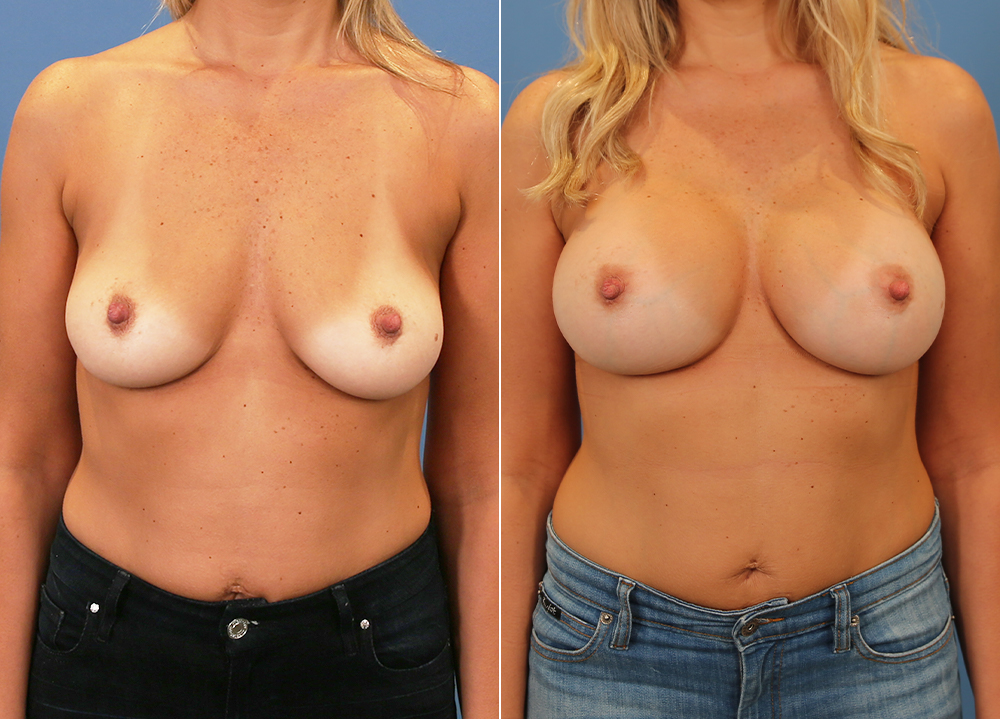
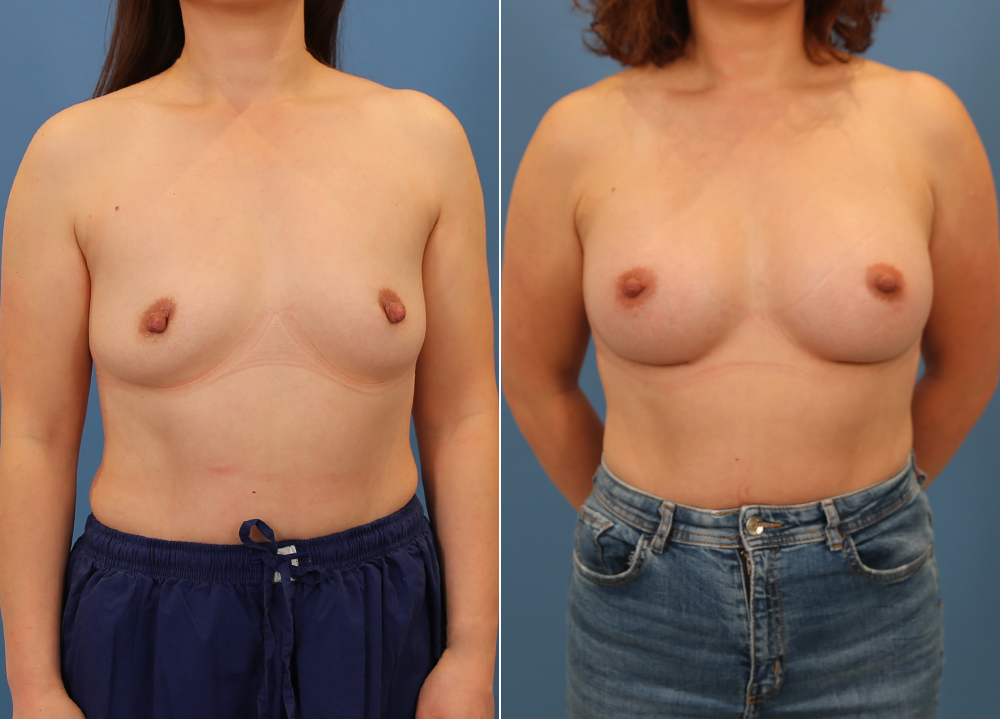
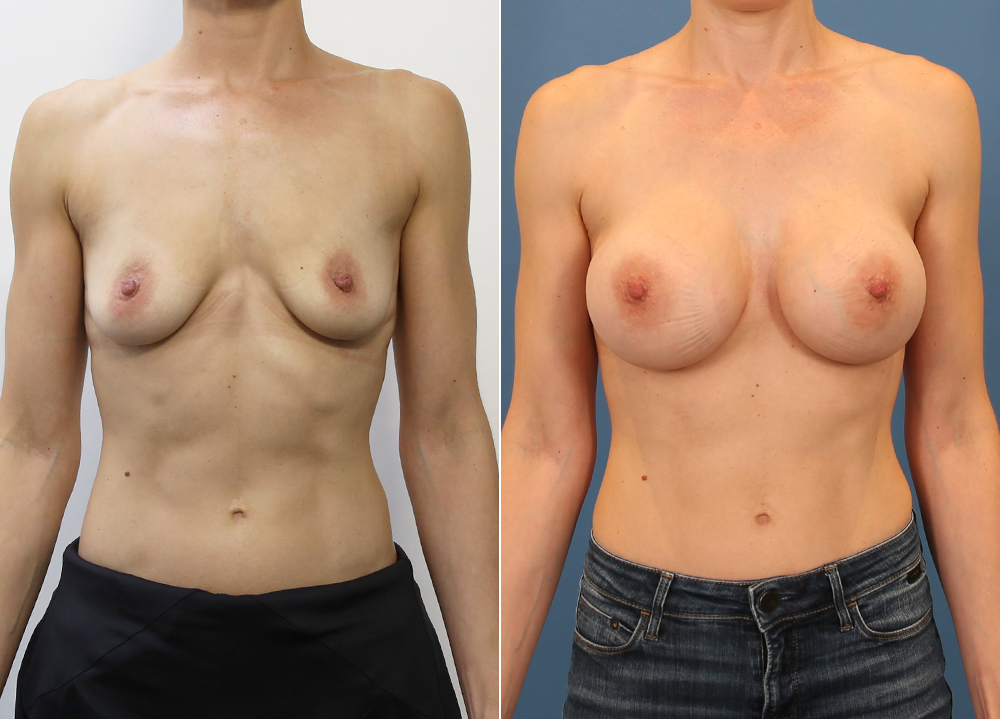
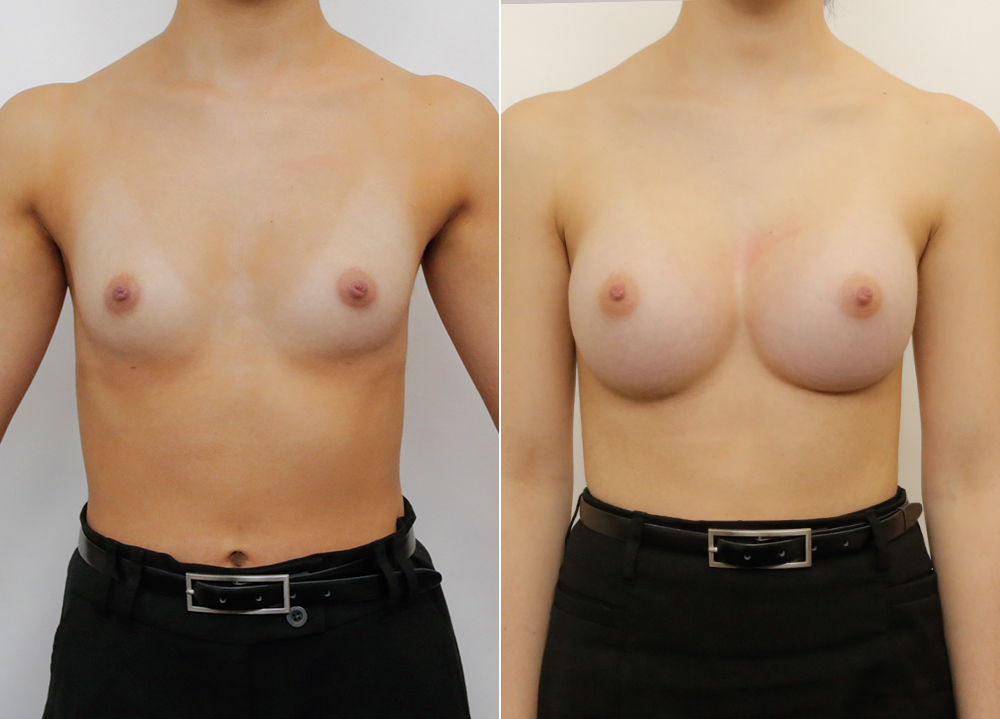
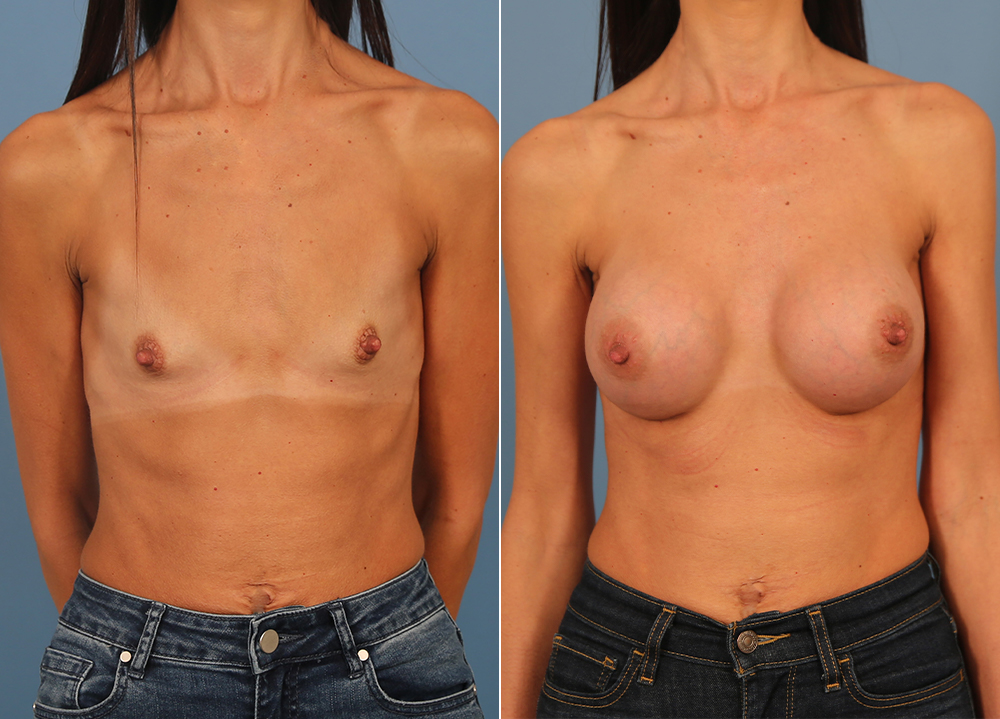
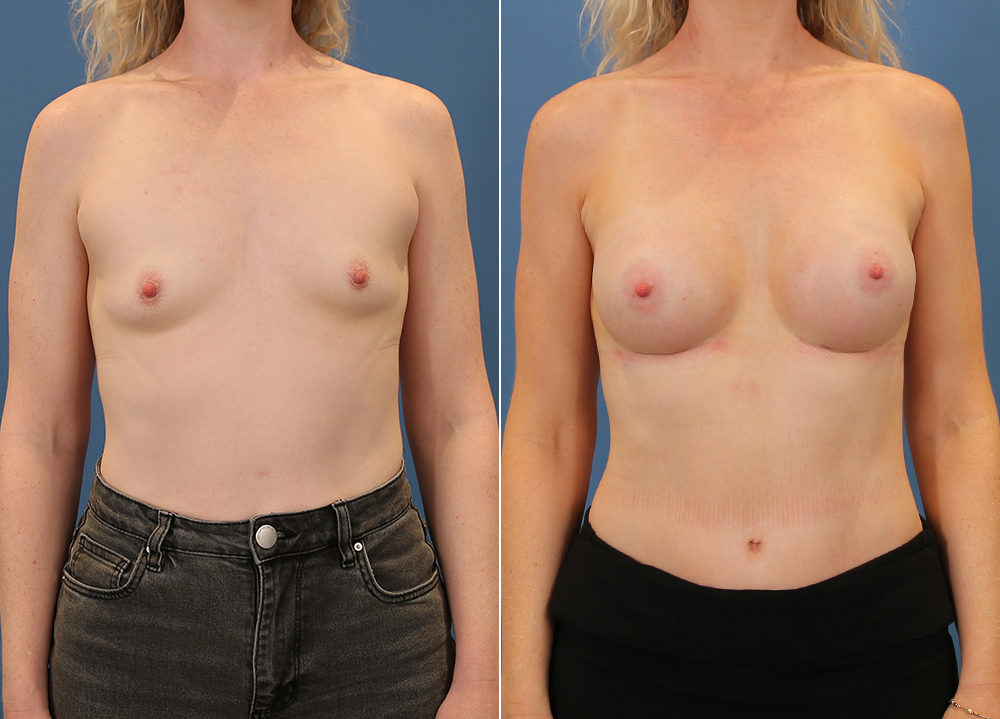


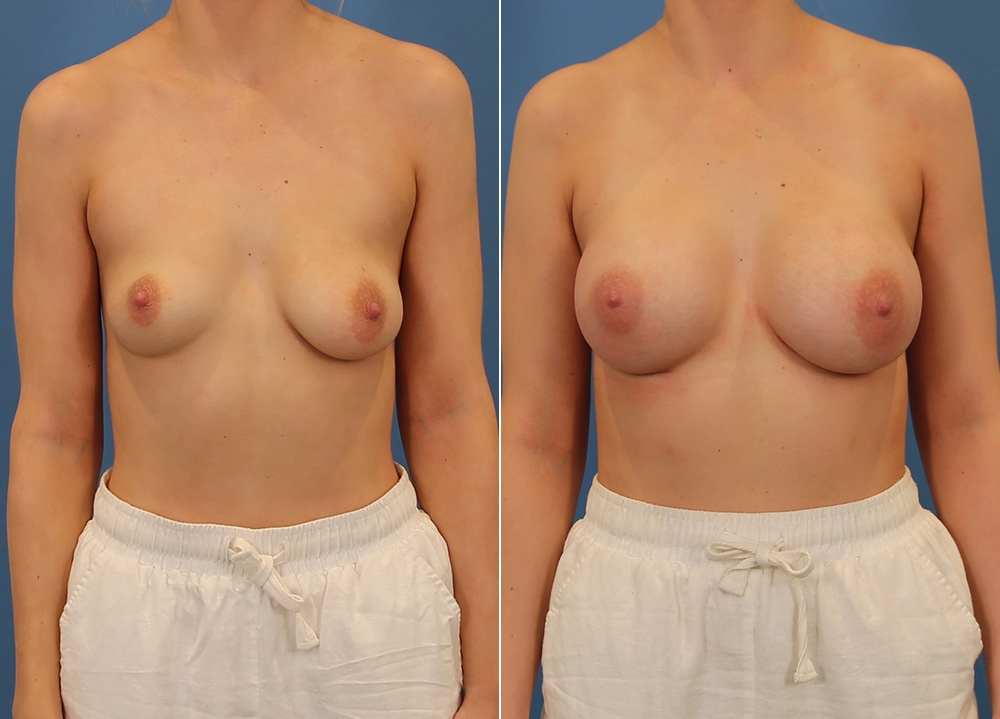

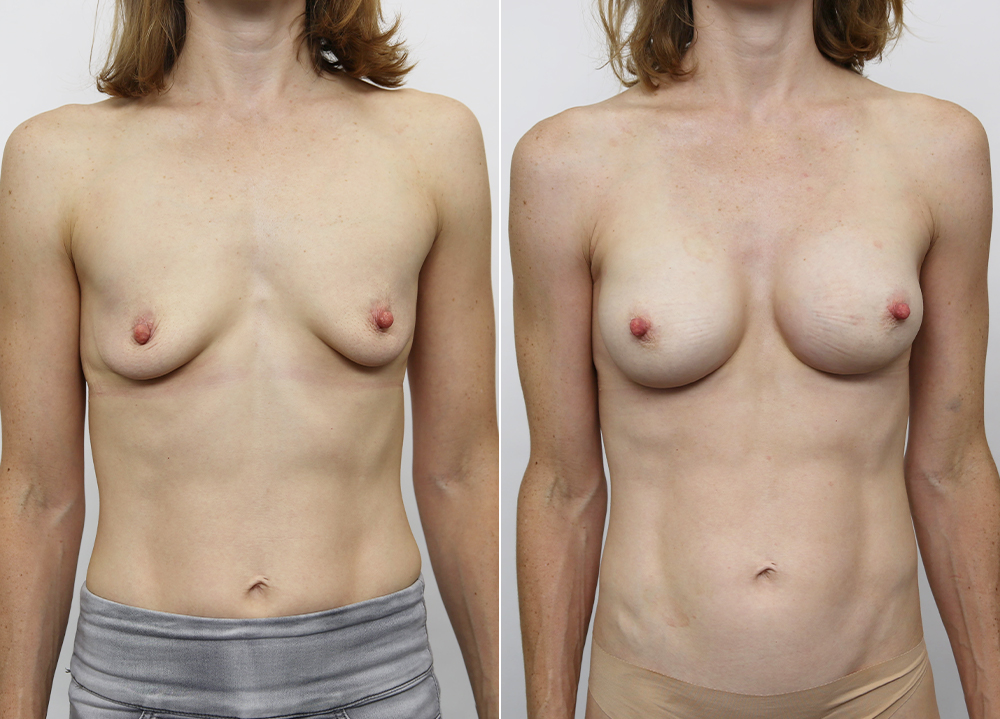
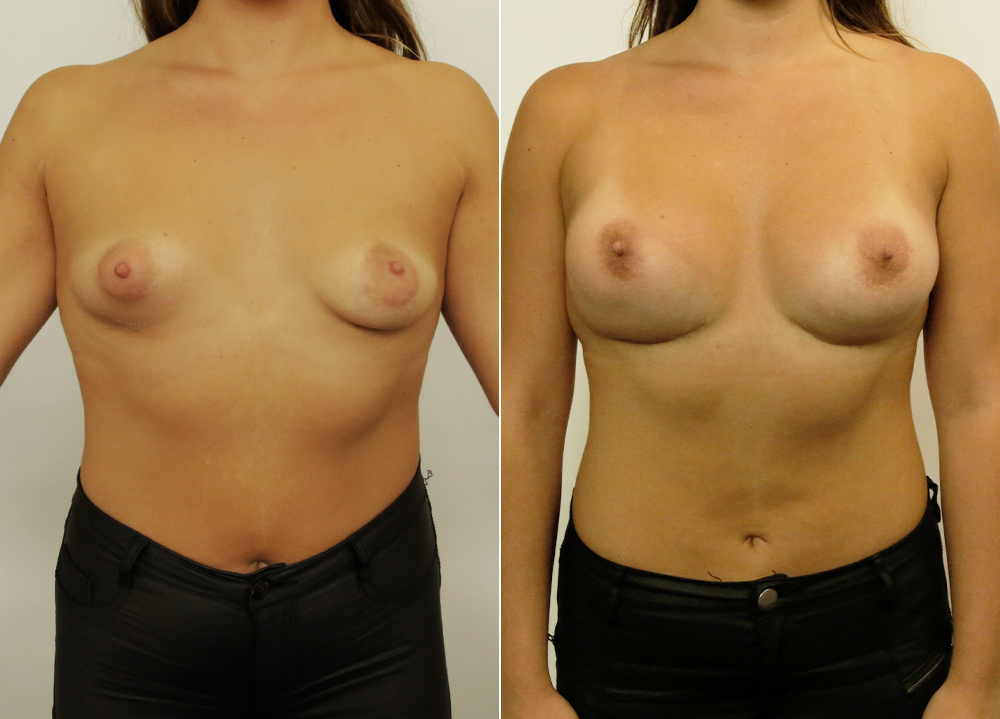
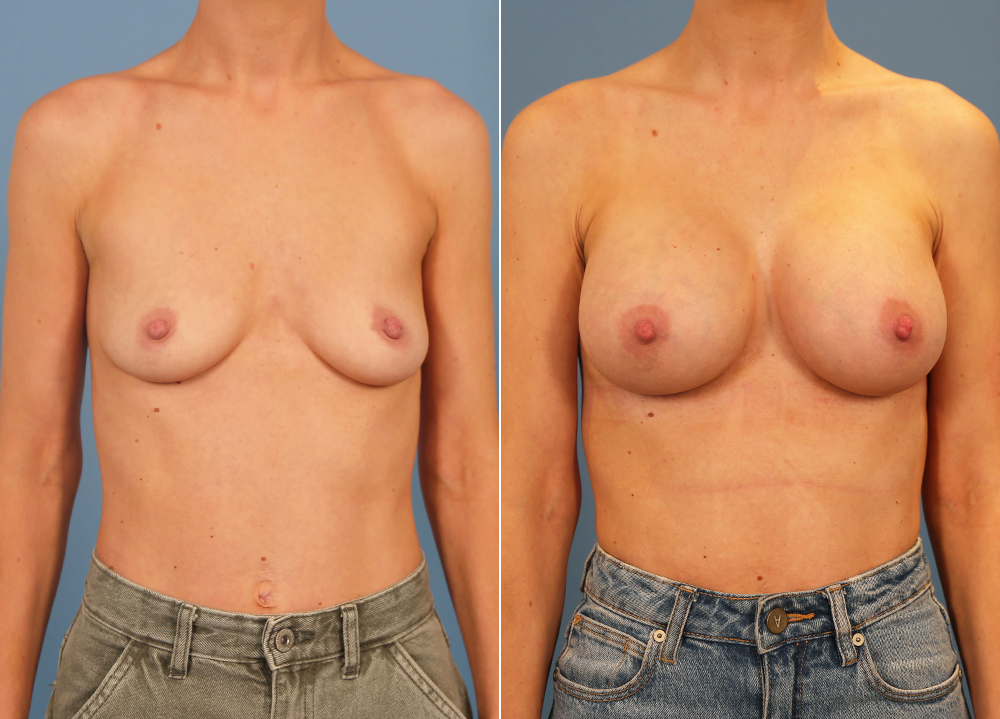
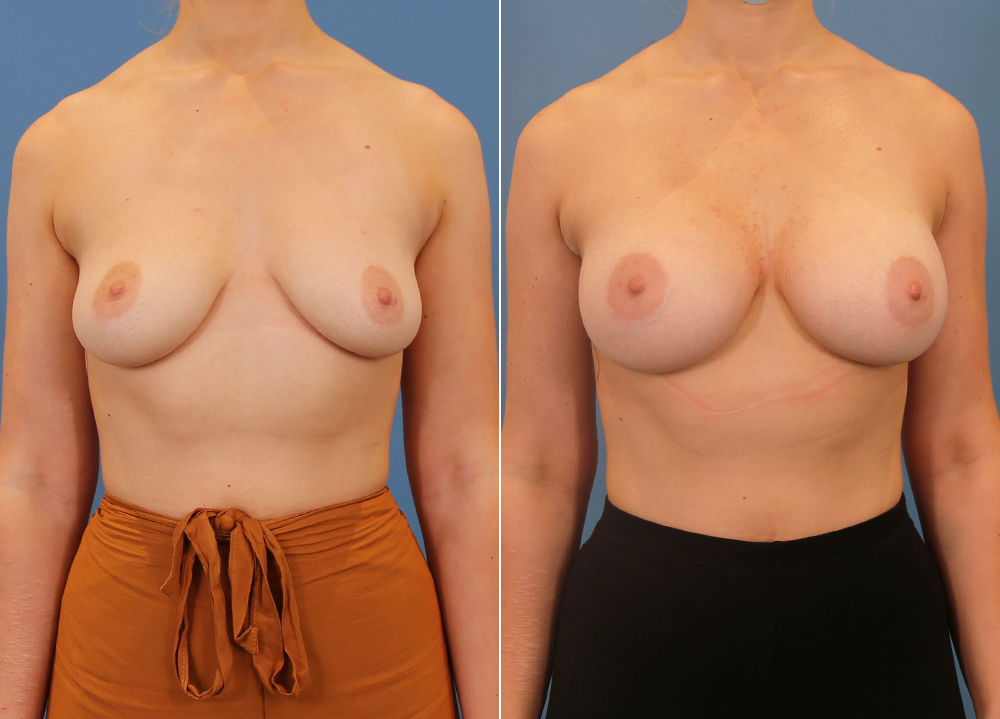
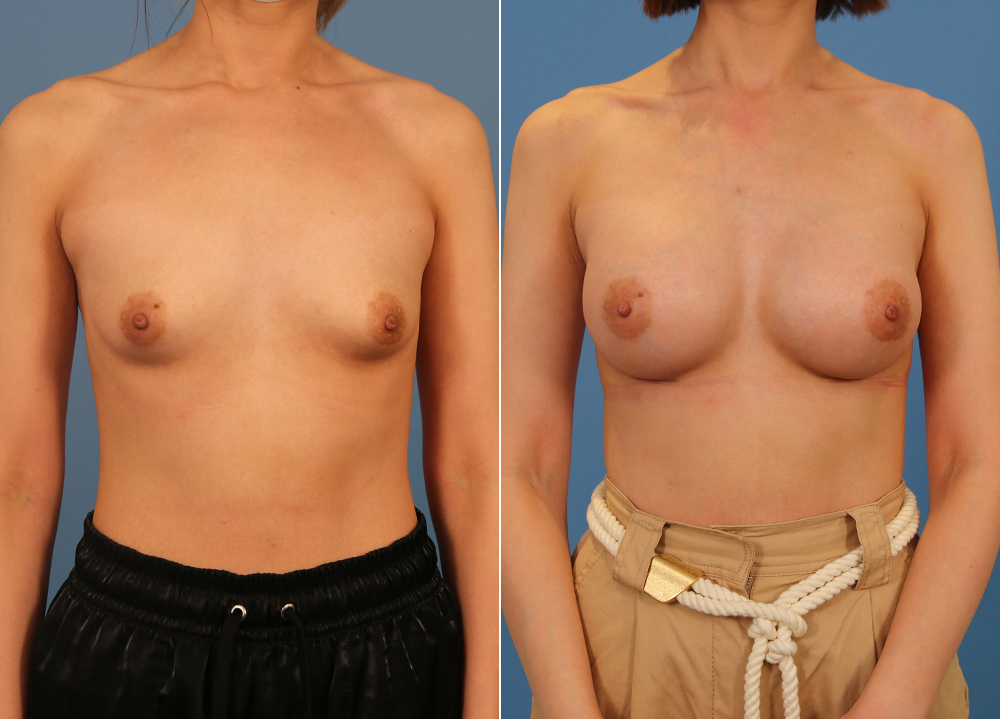
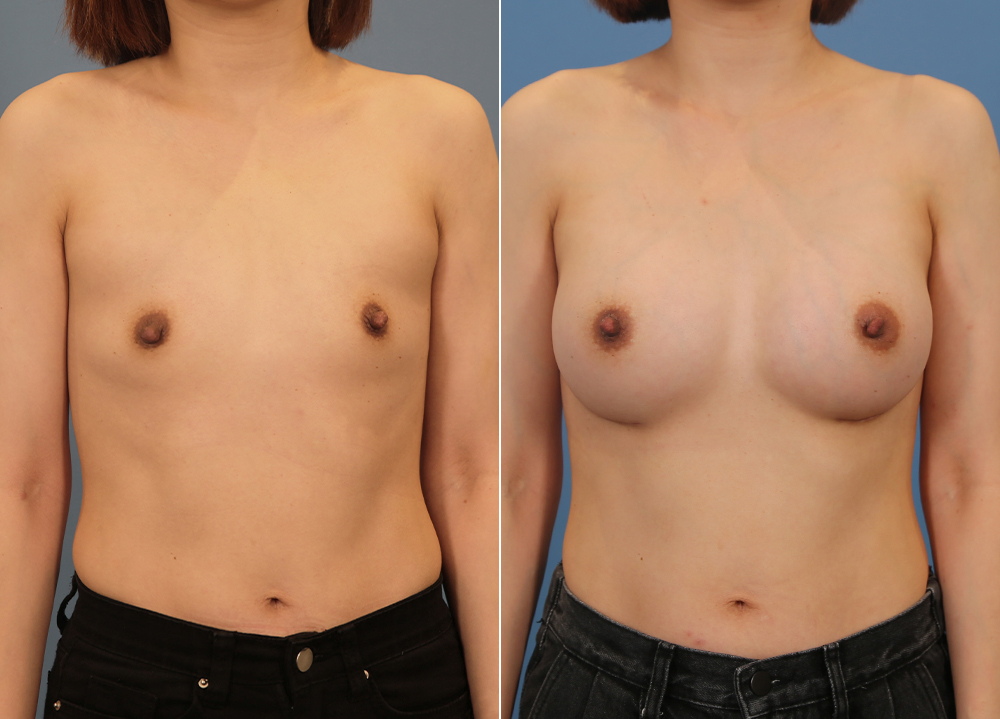

BREAST AUGMENTATION IN SYDNEY
Who may consider this procedure
Some adults consider augmentation mammoplasty for reasons such as:A congenital or acquired difference in breast volume or shape.Changes in breast appearance, such as volume loss, can occur following factors like weight fluctuation or pregnancy.Breast augmentation may be considered by individuals who wish to change their breast size or shape. Before deciding on surgery, it is important to understand the potential risks, limitations, and alternatives.Surgery is not medically required for everyone, and non-surgical options - such as supportive garments or choosing not to undergo any intervention - may also be appropriate.All surgical procedures carry risks, and these should be discussed in detail with a qualified health practitioner before making a decision.
Consultation and assessment
A consultation involves taking a medical history, conducting an examination, and discussing available implant options, including fill, surface, dimensions, incision type, and implant pocket choices. If there is significant breast ptosis (sagging), a separate procedure such as a breast lift (mastopexy) may also be discussed.Written information about the procedure, including potential risks, complications, and recovery considerations, will be provided. There will also be time to ask questions and consider alternatives before deciding whether to proceed with surgery.Cooling-off and informed consent requirements for cosmetic surgery are followed as per current Australian guidelines.
Procedure summary
Anaesthesia: General anaesthesia in an accredited facility.Approach: Common incisions include inframammary, periareolar, or (less commonly) transaxillary.Pocket: Subglandular, submuscular, or dual-plane, selected according to anatomy and goals.Duration: Typically 60–120 minutes (varies).Day surgery or overnight: Day stay.No technique can guarantee a specific cup size or appearance. Outcomes vary between individuals
Risks and potential complications
All surgical procedures carry risks. Potential risks and complications of breast augmentation can include, but are not limited to:Anaesthetic risksBleeding (haematoma)InfectionDelayed wound healingUnfavourable scarringChanges in nipple or breast sensation, which may be temporary or permanentThis is not a complete list of all possible risks. Further information about potential complications and their likelihood will be discussed during your consultation with your surgeon.Pain, seroma, implant malposition/rotation, capsular contracture, rippling or palpability.Implant rupture or deflation over time; implants are not lifetime devices and may require future replacement or removal.Implant-associated conditions including BIA-ALCL (Breast Implant-Associated Anaplastic Large Cell Lymphoma) and BIA-SCC (very rare), as well as breast implant illness symptoms reported by some patients.Interference with mammography imaging requiring modified techniques.Deep vein thrombosis or pulmonary embolism (rare).Dissatisfaction with cosmetic outcome and need for revision surgery.A detailed, written risk document will be provided during consultation. If you are unable to locate our full risk information online, please contact the clinic and we will direct you to it immediately.
Recovery
Recovery after breast augmentation varies between individuals. Some people may return to light daily activities within one to two weeks, while others may require longer. More strenuous activities, such as heavy lifting or upper-body exercise, are usually restricted for several weeks, depending on individual circumstances and medical advice.Swelling and changes in breast position can continue for several months. Specific recovery timelines and activity recommendations will be provided by your surgeon as part of your postoperative care plan.
Longevity and future surgery
Breast implants may require revision in the future for reasons such as capsular contracture, rupture, or changes in breast tissue. There is no guarantee of a permanent or specific result.
Alternatives
Mastopexy (breast lift) without implants in selected cases.Combined mastopexy-augmentation when indicated (separate consent and risks).
Imaging and photographs on this website
If pre- and post-operative images are displayed on this website, they are provided for general information purposes only and do not represent or guarantee individual outcomes.Images are presented with comparable lighting, positioning, background, and clothing where possible. All galleries include a clear notice that results vary between individuals due to factors such as anatomy, healing, and other personal circumstances.Images are not digitally altered, other than for standard anonymisation or resizing for web display.
Practitioner registration and qualifications
Dr Alex Phoon - Specialist Plastic SurgeonAHPRA registration number: MED0001587102Registration type: Specialist registrationRecognised specialty: Plastic Surgery (Field: Plastic & Reconstructive Surgery)Patients can verify registration at the AHPRA public register.
Contact us
For factual, procedure-specific risk information or to request further information, please contact 02 8069 8973 or email us at reception@dralexphoon.com. This page was last reviewed on 19 August 2025 (AEST).
FREQUENTLY ASKED QUESTIONS ABOUT OUR BREAST AUGMENTATION SURGERY
If pre- and post-operative images are shown on this site, they are provided for general information only and do not predict your outcome. Images are displayed using comparable lighting, positioning, background, and clothing where possible. Any gallery contains a prominent notice stating that results vary due to factors including individual anatomy and healing. Images are not digitally altered other than standard anonymisation and sizing for web display.
Dr Alex Phoon Specialist Plastic Surgeon
AHPRA registration number: MED0001587102
Registration type: Specialist registration
Recognised specialty: Plastic & Reconstructive Surgery
Patients may verify registration via the AHPRA public register.
All surgical procedures carry risks. Specific to mastopexy, these may include but are not limited to:
Anaesthetic risks, infection, bleeding, delayed healing, seroma, and scarring (including hypertrophic or keloid scars).
Changes in sensation of the nipple or skin-temporary or permanent.
Asymmetry, contour irregularities, or wound dehiscence.
Scarring that may not fade completely; healing varies by individual.
Rare but serious risks such as blood clots (DVT/PE) or death.
A comprehensive written risk summary will be provided during consultation.
It is essential that all risks & complications of surgery are understood before proceeding. For more information on risks & complications please visit our web page on Risks & Complications of Cosmetic Surgery – Dr Alex Phoon
It is common to experience tiredness, discomfort, or tightness in the chest area for several days after surgery. Temporary changes in breast or nipple sensation may also occur.
A supportive garment such as a postoperative bra or compression bandage is usually recommended to help stabilise the breasts and assist with healing.
The time needed to return to work and normal daily activities varies between individuals. Factors include the type of surgery performed, the demands of your work, and personal recovery differences. Strenuous activity, including heavy lifting and exercise, is generally delayed for several weeks and should only be resumed in line with medical advice.
Your surgeon will provide detailed postoperative instructions and follow-up care specific to your circumstances.
Breast augmentation (augmentation mammoplasty) is performed in an accredited hospital or day-surgery facility. The procedure is carried out under a general anaesthetic administered by a qualified anaesthetist. Patients are usually discharged on the same day, unless clinical circumstances require an overnight stay.
The choice of implant size and type is determined through a consultation and clinical assessment. Factors considered include:
Chest and breast measurements
Tissue quality and skin elasticity
The relationship between breast width, height, and chest wall dimensions
Surgical safety and long-term considerations
During the consultation, different implant sizes may be demonstrated to help patients understand potential proportional changes. These demonstrations are intended only as a guide, as the final result cannot be guaranteed and will vary between individuals.
Each patient has unique anatomy, health considerations, and personal preferences. Implant selection is therefore made in consultation with the surgeon, balancing patient goals with clinical findings and surgical safety.
After augmentation mammoplasty, the body naturally forms scar tissue (a capsule) around the implant. In some cases, this capsule can become thickened or contract, a condition known as capsular contracture.
Factors that may increase the likelihood of capsular contracture include infection, haematoma, seroma, and implant placement above the muscle (subglandular).
Symptoms can vary and may include:
Firmness of the breast
Discomfort or pain
Distortion of breast shape
Palpability of the implant
Displacement of the implant
When capsular contracture is severe or painful, further surgery may be required. Surgical options may include removal of the capsule (capsulectomy), removal of the implant, or removal and replacement of the implant.
Some individuals are able to breastfeed following augmentation mammoplasty. However, breastfeeding difficulties can occur after any type of breast surgery. The risk of difficulty may be greater when an incision is made around the nipple (periareolar approach), as this can affect the ducts and nerves involved in lactation.
If you are planning a pregnancy in the future, or would like the option to breastfeed, this should be discussed during your consultation so that potential implications can be considered when planning surgery.
Changes in nipple and breast sensation can occur after augmentation mammoplasty. Sensation may increase, decrease, or be absent in the nipple or breast area. These changes can be temporary or permanent and may affect one or both sides. The extent of change varies between individuals and cannot be predicted before surgery.
Breast augmentation is a surgical procedure performed under general anaesthesia. Patients are asleep for the duration of the operation and do not feel pain during the surgery itself.
After surgery, it is common to experience discomfort, swelling, or bruising, particularly in the first few days. Pain levels vary between individuals depending on anatomy, surgical technique, and recovery factors.
Patients are usually discharged with prescriptions for pain relief and other relevant medications. Your surgeon will provide guidance on how to manage discomfort at home and when to seek review if pain is not well controlled.
Any concerns about pain or recovery should be discussed during your consultation, so they can be addressed before you make a decision about surgery.
Changes in body weight can affect breast appearance and the long-term outcome of augmentation mammoplasty:
Weight loss: A significant reduction in weight after surgery may lead to a decrease in breast volume and can contribute to breast ptosis (drooping).
Weight gain: A significant increase in weight may increase breast size and alter the proportion of the augmentation result.
For this reason, patients are generally advised to consider surgery when their body weight is stable.
Silicone gel-filled breast implants have changed over time in response to safety concerns and manufacturing developments:
First generation (1960s–1970s): Used a thicker outer shell with a firmer silicone gel fill.
Second generation (late 1970s): Introduced thinner shells and less firm gel. These changes were intended to reduce implant firmness and visibility. However, higher rupture rates became a concern.
Third generation (from the mid-1980s): Developed with stronger shells and a more stable gel, aiming to reduce rupture risk while maintaining softness.
Modern implants commonly used today are often called “cohesive gel implants.” They are designed to retain their shape and provide structural integrity if the shell is compromised.
Patients considering implants should be aware that:
Implants are medical devices, not lifetime devices. They may require replacement or removal over time.
No implant type can guarantee a specific look, feel, or outcome.
Each implant has potential benefits and risks, which will be discussed during consultation alongside alternative options.
Breast augmentation (augmentation mammoplasty) is an elective procedure. It is not medically urgent and should only be undertaken after careful consideration.
Patients are encouraged to take adequate time to reflect on whether surgery is right for them. Under current AHPRA cosmetic surgery guidelines, there is a mandatory minimum cooling-off period of 7 days between providing written consent and undergoing surgery. This period allows patients time to consider the information provided, review risks, and ask further questions.
If you ever feel pressured to proceed with surgery without appropriate time for consideration, this is inconsistent with good medical practice. Surgery should only occur when you feel fully informed and comfortable with your decision.
The cost of augmentation mammoplasty varies depending on the details of the procedure and individual patient factors. As a guide, the approximate total cost for a primary breast augmentation is around $15,550.
This estimate may include:
Surgeon’s fee
Anaesthetist’s fee
Accredited hospital or day surgery fees
Assistant surgeon’s fee
Breast implants (device cost)
A supportive surgical bra
Routine post-operative care and follow-up
If additional procedures are performed (for example, fat grafting or correction of significant asymmetry), this may involve additional costs beyond the standard fee.
Insurance and Medicare
Cosmetic breast augmentation is not covered by Medicare or private health insurance.
In some cases of reconstructive breast surgery (for example, treatment of developmental breast abnormalities), Medicare item numbers may apply, and private health insurance may assist with hospital or device costs.
Quotes and Further Information
A personalised, written quote will be provided after your consultation, once a clinical assessment has been completed. This will include a breakdown of all fees and any applicable Medicare or health fund information.
Recovery after augmentation mammoplasty varies between individuals and can be considered in two aspects:
Aesthetic recovery
The initial appearance of the breasts generally settles over several weeks.
It may take up to 6 months for the breast tissue to relax around the implant and for the final contour to be established.
Functional recovery
Discomfort, tightness, swelling, and bruising are common during the first week after surgery.
A supportive surgical bra is usually worn for approximately 6 weeks to help stabilise the implant during healing.
Some patients may feel able to return to light work activities within 1–2 weeks, depending on the type of work and individual recovery. Driving and more strenuous activities may take longer.
Strenuous upper-body exercise, heavy lifting, and gym workouts are generally delayed for at least 6 weeks. Light walking or stationary cycling may be possible earlier, if advised by the surgeon.
Wound care
Dissolvable sutures are commonly used, with a waterproof dressing that may stay in place for around 10 days.
Showering is usually permitted while dressings are in place, but this should be confirmed with your treating surgeon.
Surgical drains are not routinely used in uncomplicated primary breast augmentation procedures.
Surgical timing
Operating time is typically around one hour, but this may vary based on the procedure.
Important Notes
Recovery is influenced by many factors, including your general health, anatomy, the complexity of the procedure, and how closely post-operative instructions are followed. Individual recovery times differ, and there is no guarantee that your recovery will follow a specific timeframe.
Breast reconstruction or corrective surgery may be considered in certain developmental or structural conditions, such as:
Tuberous breast deformity
Significant breast asymmetry
Developmental breast abnormalities
Chest wall deformities, including pectus carinatum (“pigeon chest”) and pectus excavatum (“hollow chest”)
These conditions can affect breast shape and proportion in different ways. Surgical options are available to address some of these variations, depending on the individual’s anatomy and health.
Assessment and Planning
The decision to undergo reconstructive or corrective surgery is individual. Some people may consider surgery for functional reasons (for example, fitting clothing or breast prostheses), while others may seek surgical options for symmetry or contour correction.
During consultation, the primary focus is to establish your medical and surgical goals, review possible options, and discuss the risks, benefits, and limitations of each approach. A personalised treatment plan is developed in line with clinical findings and patient preference.
No surgical procedure can guarantee a specific appearance. Outcomes vary depending on individual anatomy, healing, and other factors.
In breast augmentation, the incision is commonly placed in the inframammary fold (the crease under the breast). This location is selected for several clinical reasons:
It provides direct access for precise implant placement.
It avoids incision sites such as the nipple or armpit, which may carry a higher risk of bacterial contamination and implant-related complications.
It allows the scar to be positioned in a natural skin fold.
The typical length of the incision is approximately 3-5 cm.
Scar formation varies between individuals and depends on multiple factors, including genetics, skin type, healing responses, and adherence to post-operative care. Some patients may develop more prominent, hypertrophic, or keloid scars. Scars generally mature and fade over time, but they do not disappear completely.
Patients will be provided with information about scar management strategies as part of post-operative care.
During breast augmentation, internal sutures are commonly placed to help support tissue and the implant as healing occurs. These sutures are not a substitute for external breast support garments.
In certain limited circumstances, surgeons may use an additional material for reinforcement, such as a mesh device. One example is a mesh containing titanium fibres. This type of reinforcement is rarely required and is considered only in specific clinical scenarios. It is not a routine part of augmentation mammoplasty.
Patients are advised to continue using supportive garments as recommended during recovery and afterwards.
Hybrid breast augmentation is a surgical procedure that combines a breast implant with autologous fat grafting. In this technique, fat is removed from another area of the body by liposuction, processed, and then injected into selected areas of the breast to refine shape or contour.
This approach may be considered in situations such as:
To add soft tissue padding over an implant, such as along the cleavage or the lower pole.
To address specific anatomical variations, for example in some cases of tuberous breast shape.
Important considerations
Fat graft survival is variable. A proportion of the transferred fat may not persist long term. Outcomes can differ between individuals.
Additional surgery or touch-up procedures may be required.
Risks include those of both breast implant surgery (capsular contracture, implant malposition, implant rupture) and fat grafting (fat necrosis, oil cysts, calcification, and the need for repeat procedures).
Liposuction carries its own risks, including contour irregularities, seroma, and infection.
General surgical risks (bleeding, infection, anaesthetic complications, scarring, poor wound healing) also apply.
Patients will be provided with written information on risks and potential complications and are encouraged to review this carefully before deciding whether to proceed.
Breast implants may be placed either behind the chest muscle (dual-plane technique) or in front of the muscle but behind the breast tissue. In the dual-plane approach, the upper part of the implant is covered by the pectoralis muscle, which can provide additional tissue coverage in some individuals. In other cases, such as when there is sufficient natural breast tissue or in certain body types, implants may be placed in front of the muscle.
The most appropriate approach varies depending on individual anatomy and clinical factors. This will be discussed with you during your consultation after a physical examination.
I have extensive experience using Mentor anatomical implants and continue to use them in certain situations. Anatomical implants remain an option, and while they have not been recalled, they do have some considerations. These include the potential to rotate on the chest wall and a tendency to ripple in patients with less soft tissue coverage. The reported risk of implant-associated anaplastic large cell lymphoma (BIA-ALCL) with this type of microtextured implant is estimated at around 1 in 80,000. Research has also suggested that for implant sizes under 350cc—which make up the majority of implants used today—it is often difficult to distinguish between the results of round and anatomical implants.
For these reasons, in many cases I use Motiva round implants. These implants are designed with specific gel properties that allow them to resemble some of the characteristics of anatomical implants, while also providing additional fullness in the upper part of the breast.
At our practice, we use Motiva breast implants. These implants are available in different types and sizes, allowing for options that can be matched to individual patient needs. There are two main types of Motiva implants available:
Motiva Ergonomix
This implant type is intended for patients seeking a softer appearance and feel, with features designed to move in line with the body’s natural tissue.
Motiva Round
This is a round implant that is filled to create a firmer feel. It is commonly selected to provide more fullness in the upper part of the breast and a more projected appearance.
Risks and complications of cosmetic surgery
Cosmetic surgery is a form of surgery and, like all surgical procedures, carries risks and potential complications. It is important that anyone considering cosmetic surgery is provided with accurate and complete information about these risks before deciding whether to proceed.
Dr Alex Phoon is an Australian specialist plastic surgeon (specialist registration in Surgery – Plastic Surgery, AHPRA registration number: MED0001587102). He performs cosmetic and reconstructive procedures in accredited hospital facilities with appropriately qualified surgical, anaesthetic, and nursing teams.
This page outlines general categories of risks and complications that may be associated with cosmetic surgery. A full discussion of risks specific to an individual procedure will be provided in writing and during consultation as part of the informed consent process.
Scarring
Scarring is a common concern for people considering cosmetic surgery. All surgery results in some form of scarring, and while techniques are used to help reduce its appearance, it cannot be completely avoided. The extent and visibility of scars vary between individuals and depend on factors such as the type of surgery, healing response, and skin characteristics.
Read moreThe severity and appearance of scars can vary from person to person and depend on the type of procedure performed. Factors such as genetics, skin type, and individual healing responses can influence how noticeable scars may be. In many cases, scars may become less prominent over time, but this process is highly individual.
Scarring is a normal part of the body’s healing process. When the skin is cut or injured, the body forms new collagen fibres to repair the area. This healing response creates a scar, which may differ in colour and texture from the surrounding skin.
Different types of scars may occur after cosmetic surgery. For example, hypertrophic scars are raised, thickened areas that may be red or itchy. Keloid scars, which grow beyond the boundaries of the original wound, can occur in some people and may be more common in those with darker skin tones.
While surgical techniques aim to minimise tension on the skin and place incisions in less visible areas, scarring cannot be completely avoided. Patients are often advised to follow post-operative instructions carefully, which may include wound care, the use of silicone gels or dressings, and sun protection.
In some situations, scar management or revision procedures may be discussed. These may include treatments such as laser therapy, dermabrasion, or surgical excision. The choice of treatment depends on the type of scar and individual circumstances, and outcomes can vary.
It is important to have realistic expectations about scarring before undergoing surgery. Scars cannot be eliminated, but there are options to help improve their appearance. Patients are encouraged to raise any questions or concerns with their surgeon, so they can make an informed decision about the procedure and understand the potential risks and management strategies.
Infection
Infection is a potential risk of any surgical procedure, including cosmetic surgery. Although strict sterilisation and infection-control protocols are followed, it is not possible to remove this risk entirely. The likelihood and severity of infection can vary depending on individual factors and the type of procedure performed.
Read moreTo help reduce the risk of infection, surgeons may use antibiotics, follow strict aseptic techniques, and monitor patients for any signs of infection. Patients also play an important role in their recovery by carefully following post-operative care instructions, which can assist in lowering the risk of complications.
Infection is a recognised risk of all surgical procedures, including cosmetic surgery. Any time the skin is cut, there is an entry point for bacteria and other microorganisms. Although healthcare professionals follow strict sterilisation protocols to reduce this risk, it cannot be completely eliminated.
To help lower the likelihood of infection, surgeons may use antibiotics, follow strict aseptic techniques during surgery, and monitor patients carefully afterwards. Antibiotics may be prescribed before and/or after the operation, depending on the procedure and the patient’s individual medical circumstances.
During surgery, precautions such as using sterile instruments, maintaining a controlled environment, and wearing protective clothing are followed to help reduce the introduction of bacteria into the surgical site. Even with these measures, infections can still occur, which is why ongoing monitoring and early management are important.
Patients also play an important role in their recovery. Following post-operative instructions-such as keeping the surgical site clean and dry, avoiding activities that could interfere with healing, and promptly reporting any signs of infection (for example redness, swelling, pain, or discharge)-can assist in reducing the chance of complications.
While the risk of infection cannot be removed entirely, these combined strategies-both by the surgical team and the patient-are designed to support safer recovery and allow for timely management if infection develops.
Pain
Pain and discomfort are common after cosmetic surgery. These symptoms can vary between individuals and procedures, but strategies such as prescribed pain relief and supportive care are often used to help manage them.
Read moreThe level of pain experienced after cosmetic surgery can vary depending on the type of procedure, an individual’s pain threshold, and their healing response. Pain relief medications are often prescribed to help manage discomfort during recovery. Patients are encouraged to communicate openly with their healthcare team about their pain, as effective management is an important part of the recovery process.
Undesirable cosmetic outcome
Although cosmetic surgery is performed with the intention of improving appearance, there is a risk that the final result may not meet a patient’s expectations or may differ from the anticipated outcome.
Read moreOutcomes can be influenced by many factors, including individual healing responses and the expectations a patient brings to surgery. It is important for patients to have open and thorough discussions with their surgeon about what results are realistically achievable and any potential limitations. In some cases, further procedures may be considered if the initial outcome does not meet expectations.
Nerve damage
Nerve injury is a possible complication of cosmetic surgery.
Read moreSurgeons take care to minimise the risk of nerve injury during procedures, but this risk cannot be removed entirely. Nerve damage may result in altered sensation such as numbness, tingling, or reduced sensitivity in the area of surgery. In some cases, these changes improve over time, although recovery can vary and some effects may be long-lasting. Patients are encouraged to discuss this risk with their surgeon before making a decision about surgery.
Bruising and swelling
Bruising and swelling are expected effects after cosmetic surgery, especially during the initial stages of recovery.
Read moreBruising and swelling are part of the body’s normal healing response after surgery. Measures such as compression garments, elevation, and cold compresses may be recommended to help manage these effects. Although usually temporary, bruising and swelling can cause discomfort and may influence the recovery process. Following post-operative care instructions can assist in supporting recovery, but the duration and severity of these symptoms vary between individuals.
Bleeding
Bleeding during or after surgery is a possible complication of any surgical procedure, including cosmetic surgery.
Read moreSurgeons use techniques during surgery to help control bleeding, but some post-operative bleeding can still occur. Patients should contact their healthcare provider if bleeding seems excessive or does not improve with gentle pressure. In rare cases, more significant bleeding may require further treatment in hospital, which can include additional procedures or, occasionally, a blood transfusion.
Seroma
A seroma is a collection of fluid that may develop under the skin following surgery.
Read moreSeromas form as part of the body’s inflammatory response and are more common after larger surgical procedures. They may cause swelling or discomfort. To manage this, surgeons may use drains during surgery or remove fluid afterwards through a procedure called aspiration. While these measures can help reduce the likelihood of fluid build-up, seromas can still occur. Regular follow-up and monitoring allow for timely detection and management if they develop.
Anaesthetic complications
Complications related to anaesthesia are uncommon but can occur with any surgical procedure, including cosmetic surgery.
Read moreAnaesthesia is used during surgery to manage pain and keep patients comfortable. The risks associated with anaesthesia can vary depending on individual factors such as medical history, allergies, and overall health. Anaesthetists are specialist doctors who monitor patients throughout the procedure and use established techniques to help reduce these risks, although complications can still occur.
Death
Although rare, death is a possible risk with any surgical procedure, including cosmetic surgery. It is important for patients to be aware that all surgery carries inherent risks.
Read morePatient safety is a key focus in cosmetic surgery. Preoperative assessment, careful surgical planning, and adherence to established protocols are important in helping to reduce risks. Patients are encouraged to discuss their individual concerns and circumstances with their surgical team.
In conclusion, while cosmetic surgery may change a person’s appearance, it also carries risks and potential complications. Understanding these risks and discussing them openly with a surgeon supports informed decision-making and realistic expectations. Following post-operative care instructions and maintaining clear communication with the healthcare team can also play an important role in recovery.

